Proportion before numbers
A program begins with stance, cabin position, sightlines, and the relationship between driver and machine. Performance targets follow the architecture; they do not substitute for it.

Schubert Motors USA / Detroit
Evan Allyn Schubert leads an independent vehicle-design studio exploring what a new American performance marque could become—openly, iteratively, and without presenting digital studies as finished machines.
All vehicles shown are concept renders or development studies. Paid design, engineering, and build work is available by written proposal; a proposal is not a vehicle allocation.
SMUSA / FIELD NOTE 01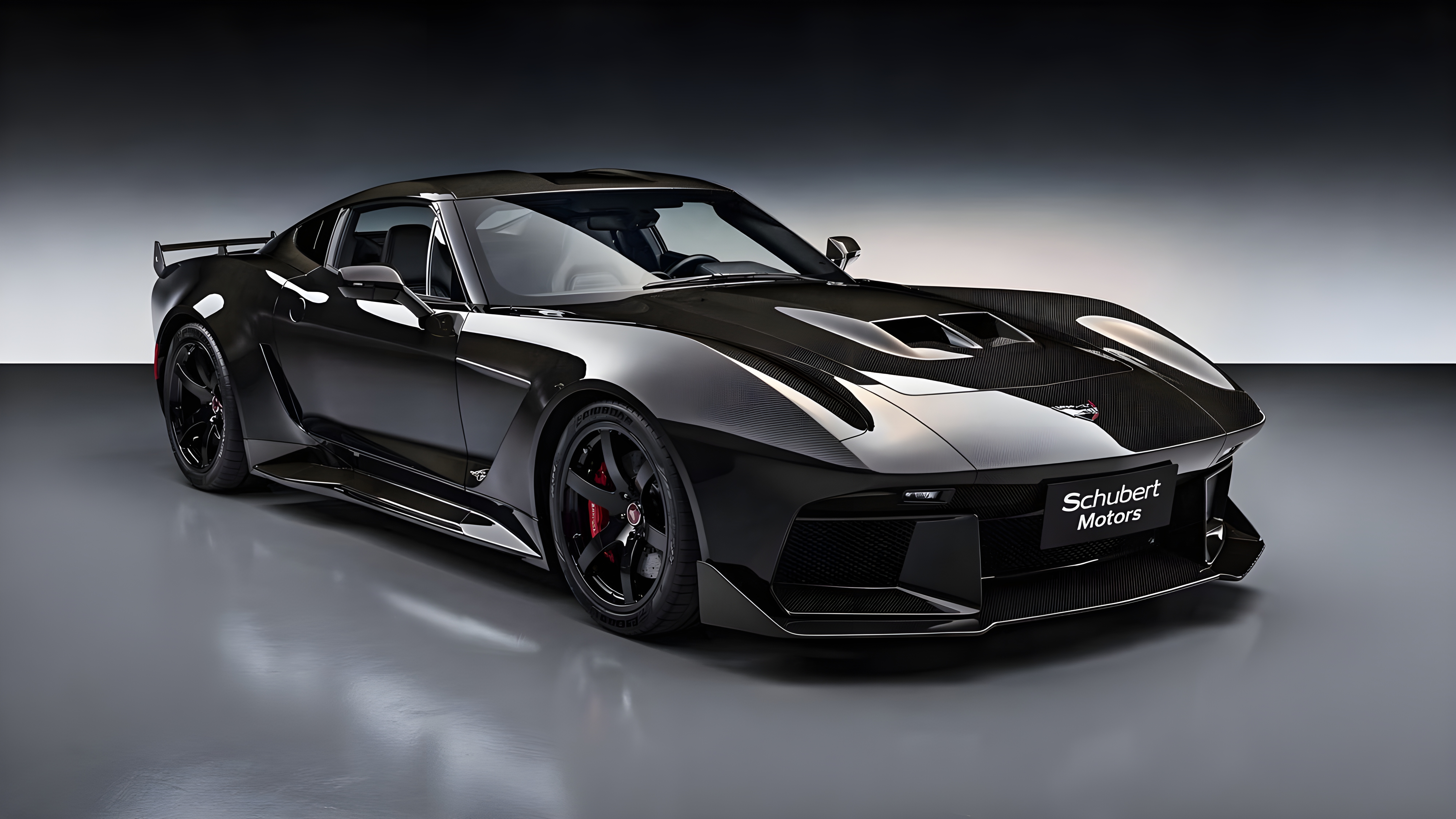
Founder and creative director
Schubert Motors USA is a founder-led Detroit studio built around a simple operating idea: ambitious vehicle concepts should be shown with both conviction and context. Evan sets the program briefs, directs the design language, selects the work that moves forward, and keeps every public claim inside the evidence available today.
The studio combines direct sketch and design judgment with digital modeling, AI-assisted visual exploration, engineering research, and simulation planning. These tools increase the number of ideas that can be examined; they do not turn a render into a validated vehicle.

The work behind the marque
Evan's vehicle company is growing out of hands-on mechanical work, engine design studies, drivetrain packaging, digital modeling, wind-tunnel and CFD exploration, and the MotorWorks development environment built to make those ideas testable.
That history is why Schubert Motors is organized as a development studio first: each paid engagement helps turn a chosen program from a visual direction into better geometry, documentation, prototypes, and validation decisions.
Design code / 01–04
Speed matters only when it creates more room for good judgment. Four principles decide what is explored, what is explained, and what is set aside.
A program begins with stance, cabin position, sightlines, and the relationship between driver and machine. Performance targets follow the architecture; they do not substitute for it.
Renders communicate intent. Engineering studies test whether that intent deserves to continue. The studio keeps those two kinds of evidence distinct.
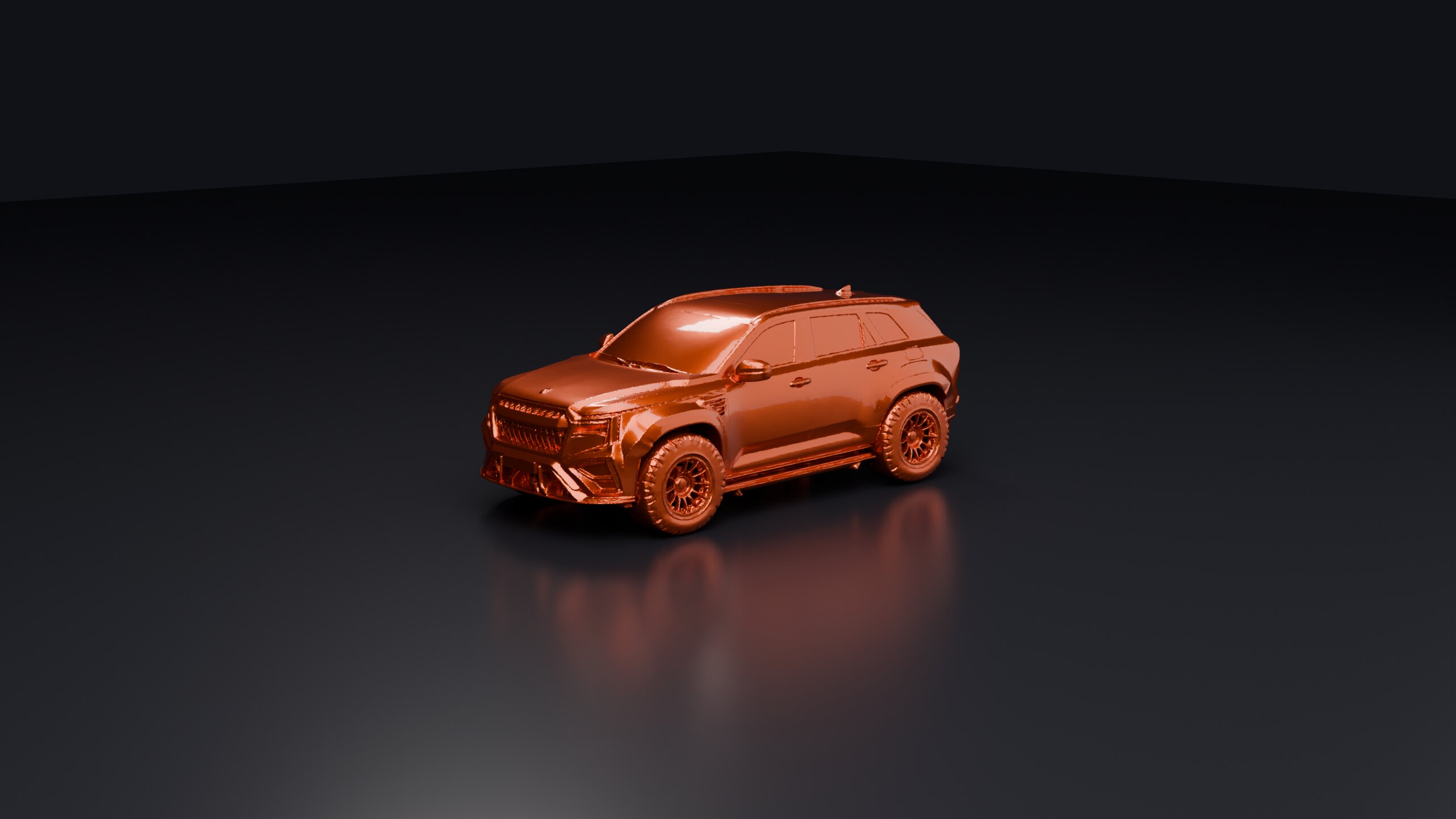
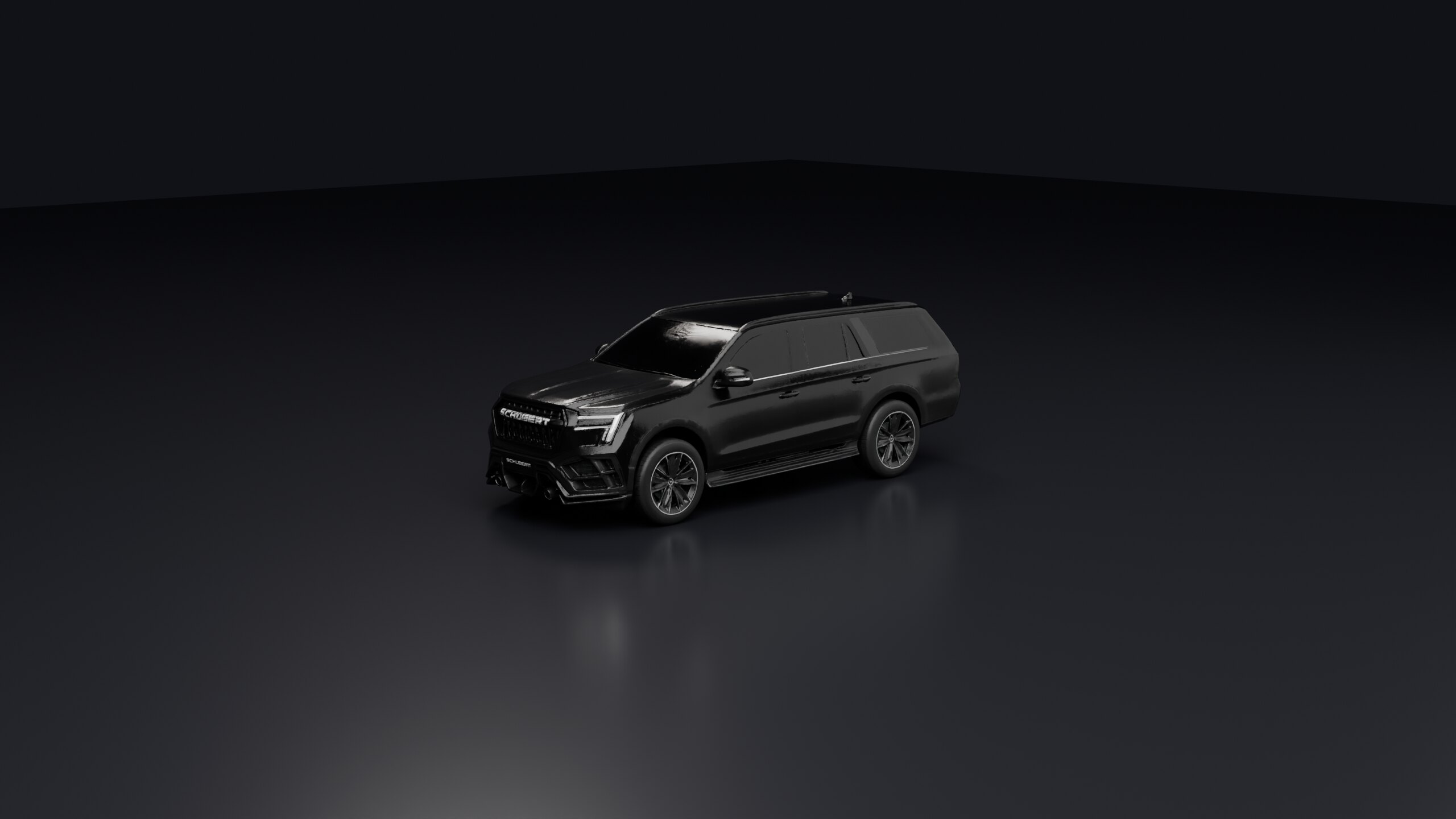
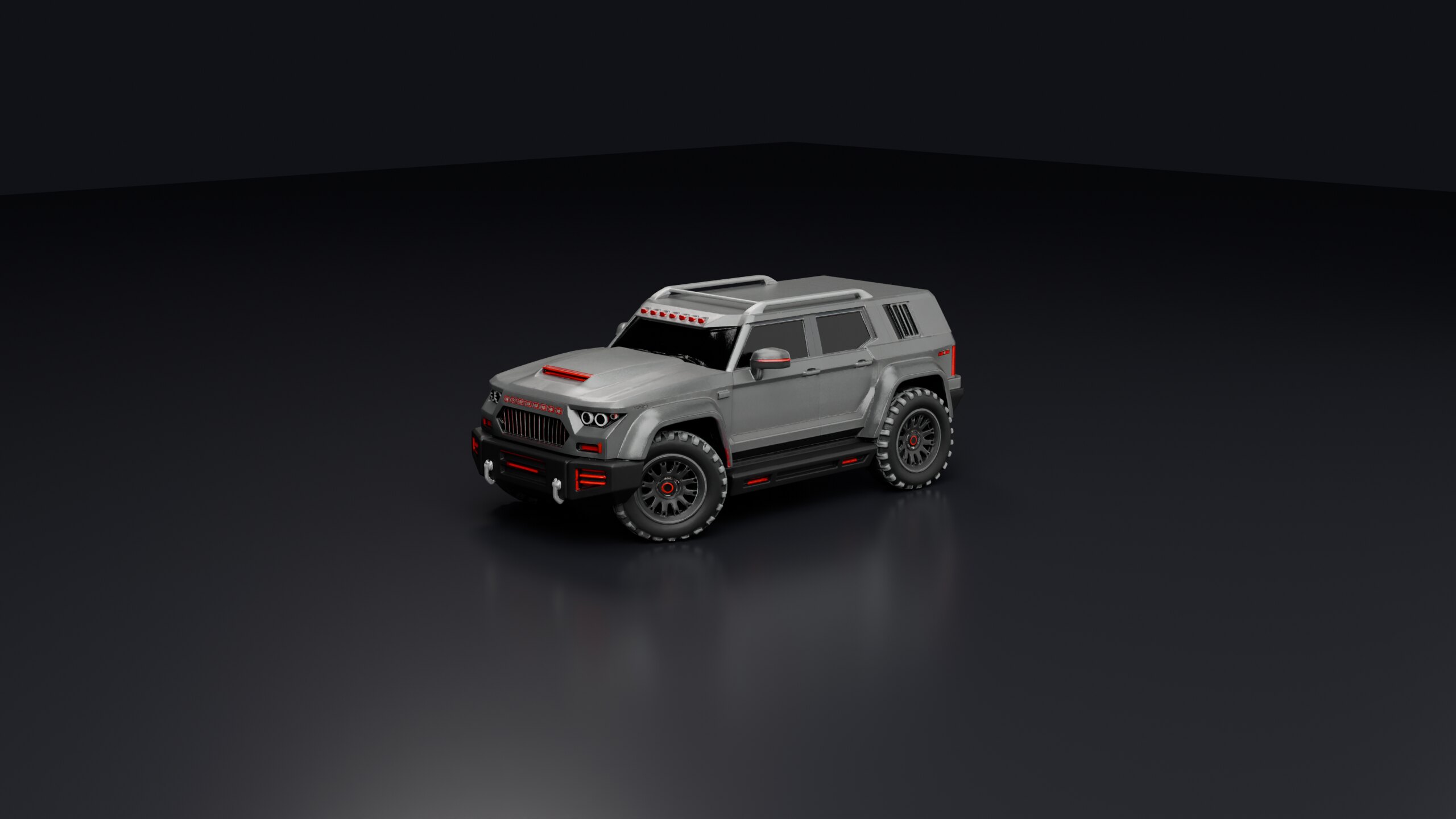
Cyclotis, Foundry 427, Velma, Ember, and Ironside are not one silhouette at five scales. Each begins with a different use, driver, and emotional center.
Sketching, 3D work, simulation, and AI-assisted exploration accelerate the search. Direction, selection, and accountability remain founder-led.
Operating model
The studio moves in gates, not announcements. Each phase narrows uncertainty before time, capital, or language escalates.
The studio established a Detroit-rooted visual vocabulary and separated five current vehicle programs by mission and proportion.
Selected images, 3D assets, packaging questions, and architecture studies are being organized into clearer program briefs and validation plans.
Promising directions must pass feasibility, simulation, packaging, supplier, safety, and financial review before the studio describes them as more than studies.
Prototype and production decisions belong beyond successful engineering and funding gates. No public timing or outcome is promised.
Visual evidence
Current imagery records design direction across halo, manual-driver, and utility programs. Captions state what the images are: concept renders, not prototype evidence.

Direct studio contact
Prospective clients, press, technical contributors, and creative collaborators can write directly. The response will reflect the real status of the relevant program.
Prefer your own email client? contact@schubertmotorsusa.com